
Signs Your Dog May Have a Chicken Allergy (And What to Do About It)
Published on November 14 by Julia
Chicken is a common ingredient in many dog foods, often praised for being a high-quality protein source that is easy to digest. However, just like humans, dogs can develop food allergies, and chicken allergies are one of the more frequently diagnosed food sensitivities in dogs. If your dog is allergic to chicken, it can lead to discomfort and even serious health issues. Understanding the symptoms, causes, and treatment options for a dog allergic to chicken is essential for keeping your pet happy and healthy.
What is a Chicken Allergy in Dogs?
A chicken allergy occurs when a dog’s immune system mistakenly identifies chicken proteins as harmful invaders. The immune system reacts by producing antibodies and releasing histamines, which cause inflammation and allergic reactions in the body. Food allergies are different from food intolerances in that they involve an immune response, which can lead to a range of symptoms that affect your dog’s skin, digestive system, and overall health.
Symptoms of Chicken Allergy in Dogs
The symptoms of a chicken allergy can vary from dog to dog and may range from mild to severe. Common signs of chicken allergies in dogs include:
1. Skin Issues
The most common symptom of a chicken allergy is skin problems. These may include:
- Itchy skin: Dogs with chicken allergies may experience intense itching or scratching, especially around the face, paws, ears, or belly.
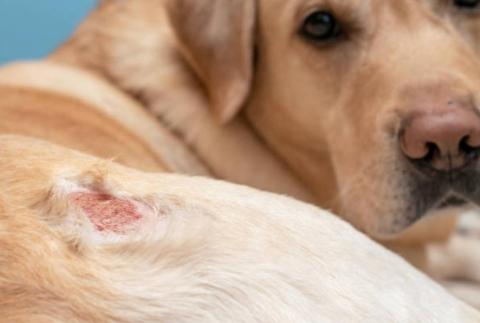
- Hot spots: These are areas of inflamed, infected skin that may develop from excessive scratching or licking.
- Redness or rash: Allergic reactions often cause redness or rash-like bumps on the skin, which may become more pronounced with prolonged exposure to chicken.
- Ear infections: Dogs with chicken allergies are more likely to develop ear infections due to chronic scratching and inflammation in the ears.
2. Digestive Issues
Food allergies can also manifest in the digestive system. If your dog is allergic to chicken, you may notice:
- Vomiting: Some dogs will vomit after eating chicken or chicken-based foods.
- Diarrhea: Loose stools or diarrhea are common reactions to food allergies, especially after repeated exposure to the allergen.
- Flatulence: Excessive gas or bloating may also occur.
3. Respiratory Symptoms
Though less common, respiratory issues such as coughing, wheezing, or sneezing can also be a sign of a food allergy, including a chicken allergy.
4. Swelling or Hives
In rare cases, a dog with a chicken allergy might develop more severe symptoms such as swelling of the face, lips, or throat, or hives (raised, itchy bumps on the skin). These symptoms are a sign of anaphylaxis, a serious allergic reaction that requires immediate veterinary attention.
Causes of Chicken Allergies in Dogs
The exact cause of food allergies in dogs is not fully understood, but several factors are believed to contribute to the development of an allergy to chicken.
1. Genetics
Like many other allergies, the development of a food allergy, including a chicken allergy, can be hereditary. Certain breeds may be more predisposed to developing food allergies. Breeds like the West Highland White Terrier, Irish Setter, Golden Retriever, and Labrador Retriever have a higher incidence of food allergies.
2. Immune System Sensitization
Food allergies often develop after a dog’s immune system becomes sensitized to a particular protein, such as chicken. The more frequently a dog is exposed to chicken, the more likely their immune system is to recognize the protein as a threat, leading to an allergic reaction. This is why some dogs that have been eating chicken for a while suddenly develop an allergy to it.
3. Overexposure to Chicken in Diet
In some cases, chronic exposure to chicken or chicken-based dog food can lead to sensitization, especially if chicken is a primary protein in the dog's diet. In a small number of dogs, this overexposure can cause an allergic reaction, making chicken an ongoing trigger for symptoms.
Diagnosing a Chicken Allergy in Dogs
If you suspect your dog may have a chicken allergy, the first step is to consult your veterinarian. Diagnosing food allergies can be challenging, as many of the symptoms overlap with other conditions such as environmental allergies, flea infestations, or infections.
Your vet will likely recommend the following:
1. Elimination Diet
An elimination diet is the gold standard for diagnosing food allergies in dogs. This involves feeding your dog a specially formulated diet that does not contain chicken or other common allergens for several weeks (usually 8-12 weeks). If the symptoms improve or resolve, your vet may reintroduce chicken or other proteins to confirm the allergy.
2. Allergy Testing
Some veterinarians may offer blood or skin testing to detect food allergies, though these tests are less reliable for diagnosing food allergies than an elimination diet. The tests measure the presence of specific antibodies to allergens, but results may not always correlate with the symptoms.
Treatment and Management of Chicken Allergies in Dogs
Once a chicken allergy is diagnosed, the primary treatment is avoiding chicken in the dog’s diet. Here’s how to manage the allergy effectively:
1. Switch to a Chicken-Free Diet
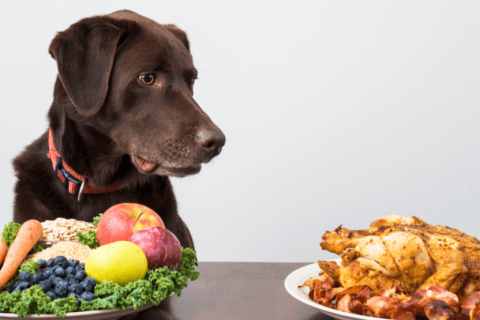
The most important step is to find a chicken-free dog food. This might involve switching to a food with a different protein source, such as beef, lamb, fish, or turkey. Be sure to check labels carefully, as many commercial dog foods contain chicken by-products or chicken meal, which could still trigger an allergic reaction.
- Hypoallergenic or Novel Protein Diets: If your dog has developed an allergy to multiple proteins, you might consider a hypoallergenic or novel protein diet. These diets are formulated with less common proteins that your dog has not been exposed to, such as venison, duck, or kangaroo.
2. Avoid Chicken-Based Treats and Snacks
Many dog treats contain chicken as a primary ingredient. If your dog is allergic to chicken, you should eliminate all chicken-based treats from their diet. Look for treats made from other protein sources, such as sweet potato, beef, or fish.
3. Veterinary Prescribed Medications
In some cases, your vet may prescribe medications to manage symptoms while your dog’s diet is adjusted. These might include antihistamines, corticosteroids, or other medications to reduce inflammation and alleviate itching or digestive upset. However, these are typically used as short-term solutions until the underlying issue (the allergy) is addressed.
4. Probiotics and Digestive Support
To support your dog’s digestive system during the transition to a new diet, your vet may recommend probiotics or digestive enzymes. These supplements can help maintain a healthy gut flora and improve digestion, especially if your dog has had gastrointestinal issues due to the allergy.
5. Monitor for Secondary Infections
If your dog has been scratching excessively or licking their paws due to an allergic reaction, it’s important to monitor for signs of secondary skin infections, such as redness, swelling, or discharge. Regular veterinary check-ups will help ensure that any infections are treated promptly.
A chicken allergy can be a frustrating and uncomfortable condition for both dogs and their owners. However, with proper diagnosis and treatment, most dogs with a chicken allergy can live a healthy, happy life. The key is to eliminate chicken from their diet entirely and carefully choose alternative foods and treats that do not trigger their immune system. If you’re concerned that your dog may be allergic to chicken or any other food, it’s important to consult your veterinarian for guidance on diagnosis and management. With the right care and dietary adjustments, your dog can enjoy a balanced and symptom-free life.